Our Services
-

Neuromuscular Re-Education
Neuromuscular re-education (neuro= brain/nervous system) is referring to teaching your body to function correctly—how to move, what muscles to use, what muscles to quiet, and how to maintain neutral postures. There are numerous ways to do this, most of which are hands-on guidance or facilitation. For increased carry-over, I often use different taping techniques (Kinesio or K-tape, McConnell taping techniques) to reinforce these concepts, as well as movements for you to practice throughout your day.
-

Soft Tissue Mobilization & Myofascial Release
Muscles, fascia, skin, and connective tissues are our soft tissues. Nearly all movement dysfunctions or post-injury areas have soft tissues that are in need of some hands-on attention. This can be thought of as massage but is more medically-based and specific, with numerous techniques including scar mobilization, myofascial release, functional mobilization technique, active release, trigger point release as well as more traditional massage techniques.
-

Trigger Point Dry Needling
A more advanced form of neuromuscular re-education is Trigger Point Dry Needling. It is using an incredibly fine needle inserted into the muscle to reset trigger points or “muscle knots” and return it to regularly functioning muscle fibers. I have been certified in this technique since 2012, and have found this to be an absolute game-changer for my practice.
-
LSVT BIG for Parkinson’s Disease
This is a very specialized protocol aimed at improving all movement function including walking, balance, posture, and mobility for people with Parkinson’s Disease.
-

Wellness Coaching
The most exciting thing that we get to do as physical therapists is to help PREVENT problems. Certain habits, poor postures or movement patterns eventually result in injury or pain, but why wail until that point to address it? Let’s see where your body could use a few tweaks to prevent a much bigger problem in the future. Wellness coaching also refers to developing, teaching and guiding you through a fitness routine that is specific for your individual body needs to be a healthy, functional human. In addition, I coach clients in weight loss with a nutrition program.
-

Joint Mobilization
Our joints allow for our bones to connect and move in numerous directions. They need to slide and glide for this to occur. If movement is limited or painful, these accessory movements may be limited. I use direct and indirect techniques to return joints to a more “normal” state.
-
Balance Training
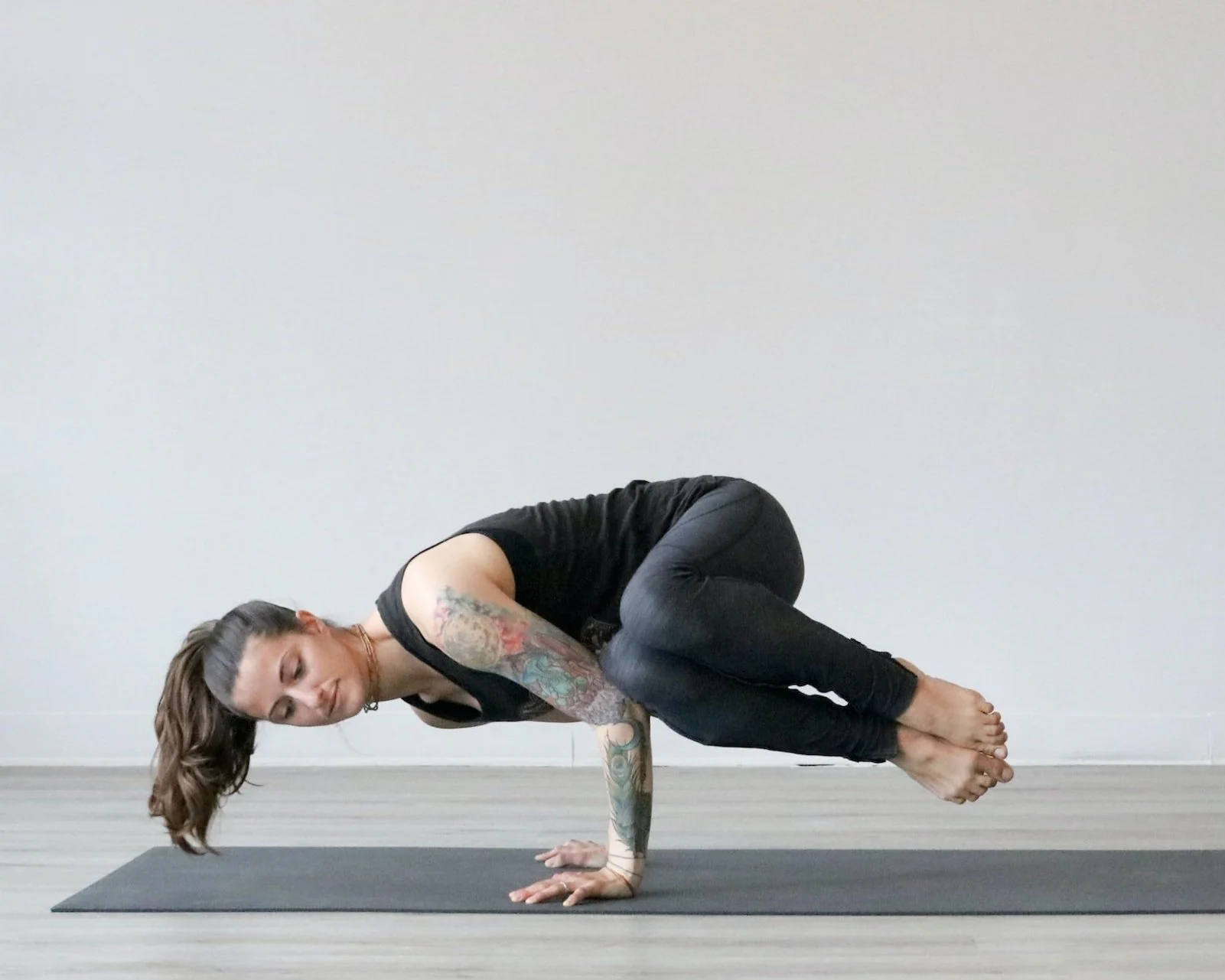
Balance is a very complex skill that we possess. When balance is deficient, there are multiple systems that need to be addressed to improve this skill. We achieve this through evaluating what piece of the puzzle is missing, and then addressing those deficits.
-

Theraputic Exercise
Instruction in, and practice of, strengthening and stretching exercises that are specific to each client in response to the evaluation findings and client’s goals.
-

Gait Evaluation & Training
Gait training is the optimization of your walking or running pattern for efficiency and ease.
-

Home Exercise Program Design
Development of a Home Exercise Program for improved results and carry-over from our sessions.